Your students
Tell us what students already know and where they need support.

How it works
Your faculty bring the teaching expertise and guide the academic decisions. We manage the AI-assisted development work between their reviews, connecting the course plan and readings to the materials they teach from, so nobody in your department has to build and run the workflow behind it.
Working together
Your faculty guide the academic decisions. We manage the development work between their reviews. We agree with you on the first materials, scope and price before development begins.
Step 01
We agree with you on the first materials, scope and price before development begins.
Your faculty bring the course idea or syllabus, along with their goals, student context and requirements. You confirm the scope and price with us.
Step 02
We develop the course overview, the written course plan, for your faculty’s review, showing how lessons build toward their objectives.
Your faculty confirm the goals, lesson sequence and the parts of an existing course to keep.
Step 03
We develop the lessons from the confirmed plan and readings, then revise with your faculty’s feedback.
Your faculty review the drafts for accuracy, depth and fit for their students.
Step 04
We develop the remaining lesson guides in the agreed scope.
Your faculty review and adapt the materials for their classes, including any assessment questions they choose to use.
Look inside
Read the first pages of each document from one course: the course overview, two lesson guides, two assessments and a week’s teaching deck.
Read the first pages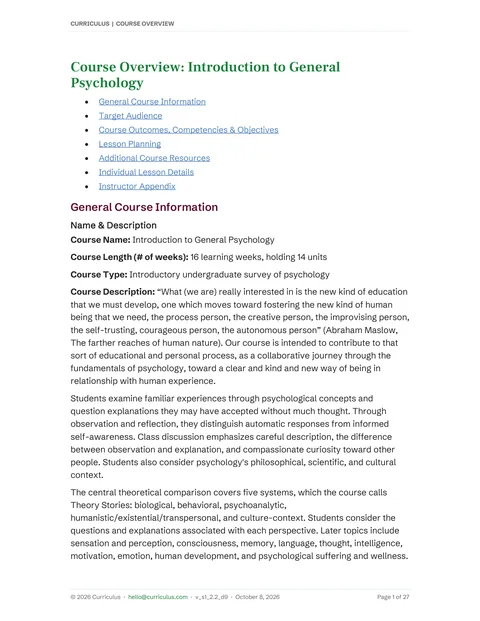
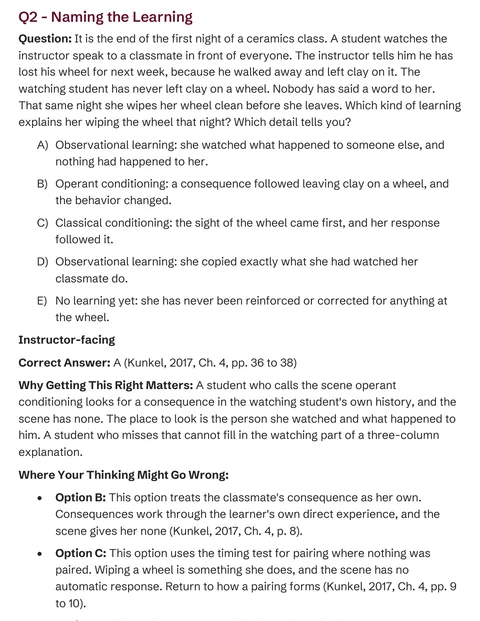
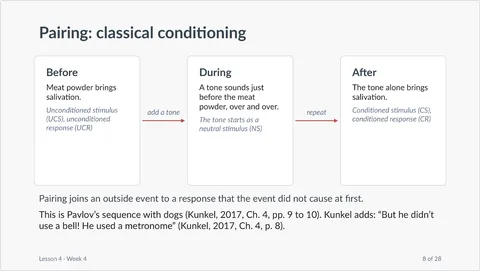
We develop these four parts around the goals and readings your faculty confirm. Between their reviews, we organize the sources, connect the lessons and check the drafts against the agreed plan.
Curriculus develops and connects
We carry your course requirements through each component.
Open a component to see what shapes it and where you guide the work.
Course components · 01
Bring a course idea or the materials you already teach with. We turn that starting point into a course overview you can review before lesson development begins.
Tell us about your students, goals and the work you want to keep.
We organize the objectives, lesson sequence and reading assignments for your review.
You decide what to retain and which proposed changes fit your course.
Tell us what students already know and where they need support.
Share your class format, priorities and practical constraints.
Share the outcomes, competencies and assessment expectations you need to address. Your institution determines whether the course meets its requirements.
Bring your syllabus and readings. Tell us what to preserve and what you want to improve.
You review the objectives and lesson sequence. We bring open questions and proposed refinements back to you.
We use the confirmed overview to guide the reading analysis and lesson development.
Course components · 02
You assign a reading for a reason. We examine its ideas and evidence in the context of the lesson, so we can use it with purpose when developing explanations, discussion and practice.
Provide your approved readings in digital form and confirm their assignments.
We identify the ideas, evidence and details relevant to the lesson.
We use the analyses alongside available originals to develop the teaching materials.
We record the author, title and publication details so we can trace the analysis to its source.
We examine the explanations and evidence, including the limits the author identifies.
We connect the reading to the objectives and emphasis you confirmed. If you assign it again, we consider that lesson separately.
We flag unavailable readings so you can resolve the gap before we depend on them.
You clarify the emphasis and flag interpretations that need attention.
We use these analyses to develop source-based explanations and activities within the course plan.
Course components · 03
We keep track of which readings support each lesson and connect each available assignment to its analysis. You do not have to assemble those relationships across separate files.
We start with the lesson assignments and reading order you approved.
We connect each available assignment to its matching analysis.
We bring the right readings and analyses into the lesson work.
We preserve the weekly placement and reading order you confirmed.
We track each assignment separately when you use a reading in more than one lesson.
We distinguish readings with analyses from sources that still need attention.
You confirm where the readings belong and tell us about assignment changes. We agree on changes to approved inputs separately.
We use the source map to keep the lesson work connected to its supporting readings. You can request this working record with your course materials.
Course components · 04
We connect each lesson to the learning that comes before and after it. You can review how students progress toward the course objectives before we develop the detailed lessons.
Confirm what students already know and what they should be able to do.
We map objectives and the preparation students need across your sequence.
You judge the depth, pace and fit for your students.
We connect the lesson objectives to the course goals you confirmed.
We identify the knowledge and skills students need before they reach later lessons.
We connect the sequence to its assigned sources and bring proposed changes back to you.
You confirm the academic choices and tell us where students need more preparation or practice.
We develop the lesson guides from the confirmed structure and readings. For the complete package, we develop assessments and decks from the lesson work.
Common questions
We use leading AI models from providers such as Anthropic and OpenAI inside our own course-development system. We develop the work in stages, using your confirmed plan and readings to guide the drafts. You review the academic content and decide what needs refining before you teach from it.
You can use those tools to develop course materials. Someone still needs to organize the readings, connect the lessons to the course objectives, check the drafts and manage revisions across the course. With Curriculus, we manage that work with you and deliver the materials in your agreed scope. You keep the academic decisions without having to build and maintain the AI workflow. If your institution wants to develop that capability in-house, that can be a worthwhile investment too. Curriculus In-house can help your team build it.
Course planning usually starts before anything goes into a learning platform, in syllabi, reading lists and working documents. Curriculus works at that stage. We develop the course plan and teaching materials with you and deliver them as files your team can bring into Canvas, Blackboard, Brightspace, Moodle or another platform. You choose the learning platform. We confirm the file formats in your scope, and your institution handles setup.
You receive draft and completed versions of the course overview and lesson guides. The Complete course package also includes assessments and teaching decks. You can request the working records we develop for your course, including reading analyses and the source map.
You can begin with a course idea or an existing syllabus. Tell us who you teach, what students need to learn and what you want to develop. Before lesson development, you confirm the course direction and provide all approved readings in digital form.
Plan for two or three conversations with each instructor, starting with a 30 to 45 minute discussion. They also need time to gather readings, review the course overview and read the lesson drafts. Their feedback guides the academic choices and revisions. Conversation time does not include that preparation and review. For planning, we assume about 40 hours of faculty time for a new course with the Complete course package, including conversations, gathering readings and reviewing drafts. Rebuilds, short courses and the Overview + lesson guides package usually take less. These are planning assumptions, not measured results.
See how that time compares with a design team or faculty building it themselves
A university design team builds the whole course with your faculty over about two quarters, and the University of Washington publishes what its team charges. Curriculus develops the course overview and teaching materials with your faculty and runs the work between their reviews. For planning, we assume about 40 hours of faculty time for a new course with Curriculus and about 100 with a design team. Pricing compares the price and faculty time side by side. These are planning assumptions, not measured results.
Thursday refers to the first drafts: a course plan and the first lesson guides within the coverage we agree with you. Before development begins, we confirm the direction, readings and scope. We agree on the remaining delivery schedule for your course, including time for your review and revisions.
Tell us how you plan to teach, including the class format, your students’ starting point and any technology constraints. We use those requirements to shape the course plan and teaching activities with you. You review the materials for your class before you use them.
You can adapt the agreed course materials for your institution’s teaching use, subject to the rights in your source materials. Curriculus develops course content; your institution handles LMS setup. Tell us which formats and LMS your team uses so we can confirm the handoff requirements in your scope.
Yes. Tell us what you want to change and which parts of the existing course you want to keep. We review the related materials and quote the update as a defined piece of work. Later updates and changes to approved inputs are separate from the two revision rounds included in the original scope.
We don’t use your course materials to train or improve AI models. We improve how we develop courses by applying established course-design practices and learning from customer feedback.
Tell us the courses your faculty are planning and the materials they need. We’ll confirm each course’s type, scope and price with you before development begins.
Compare the cost and faculty timeTeaching the course yourself? Send this page to your chair.